 也是一只自由泳的小鸟
@
也是一只自由泳的小鸟
@
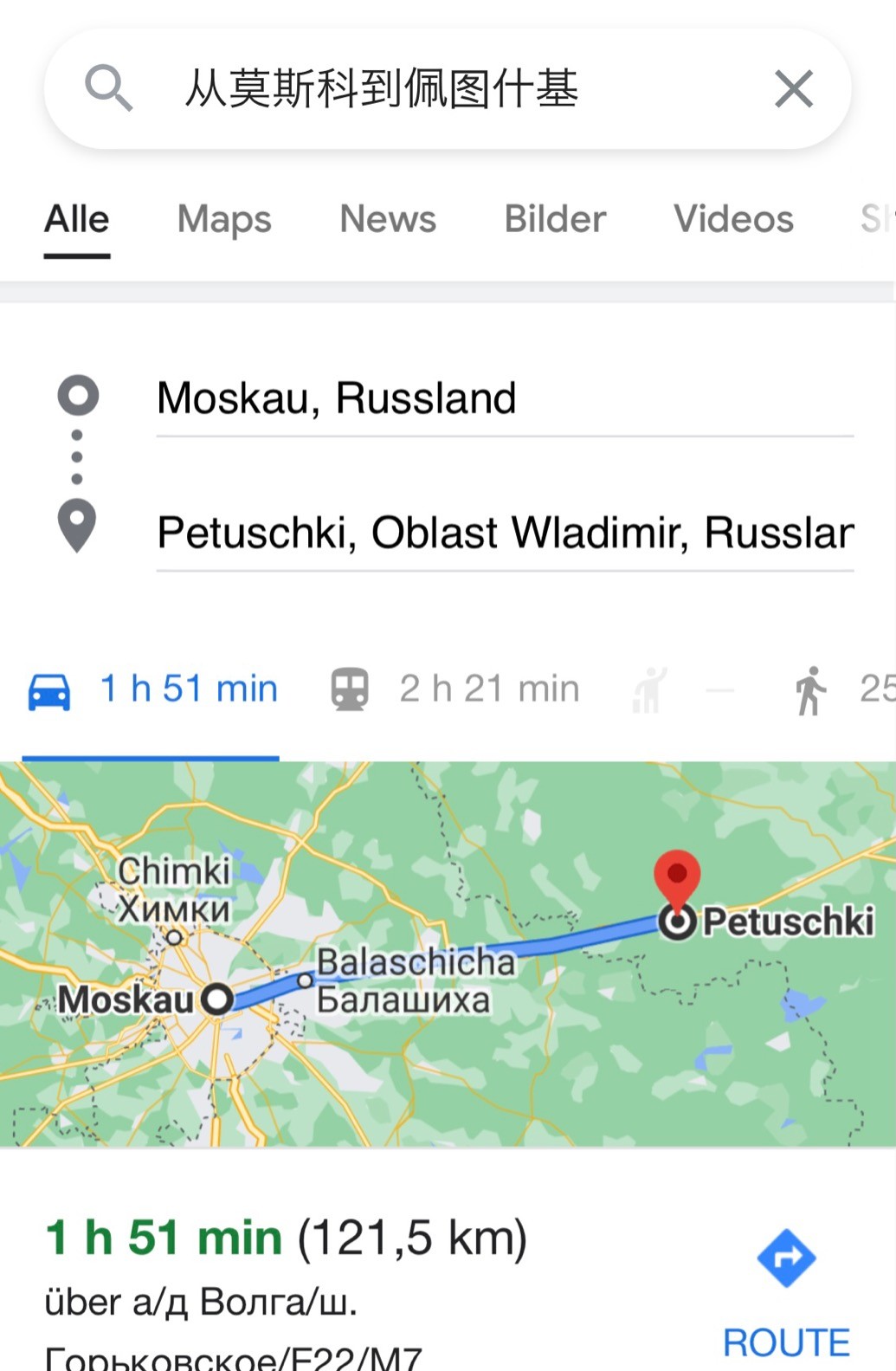
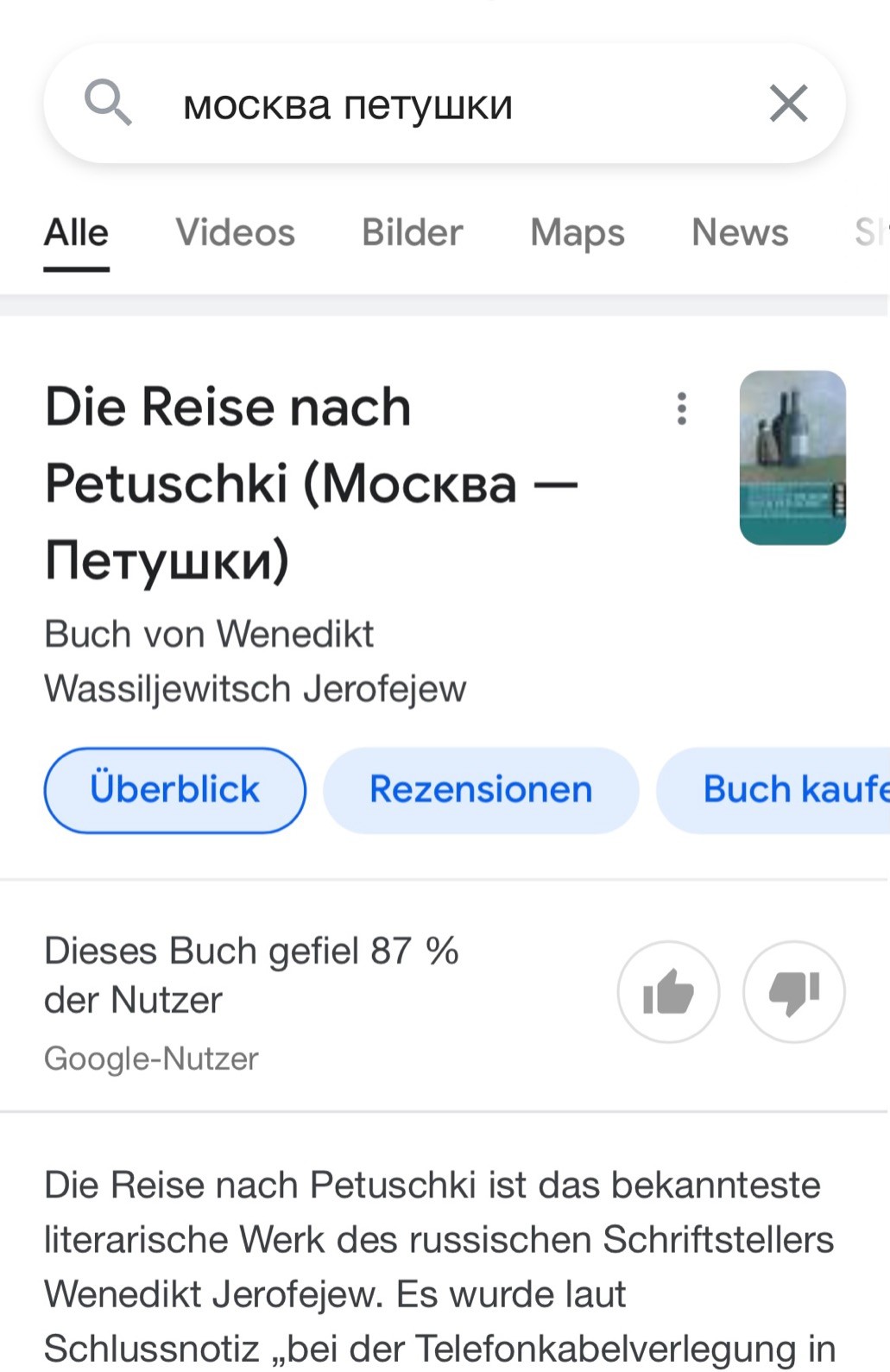
我选的第一本俄罗斯现代文学好像特别具有代表性,讲的就是喝酒,一个醉汉坐火车从莫斯科到佩图什基,一路上都在喝酒&说醉话…之前也看过一本书,主人公不是在喝酒就是在去喝酒的路上,但是忘了是哪本…
睡前迷迷糊糊的看醉话,脑子刚好在合适的状态。
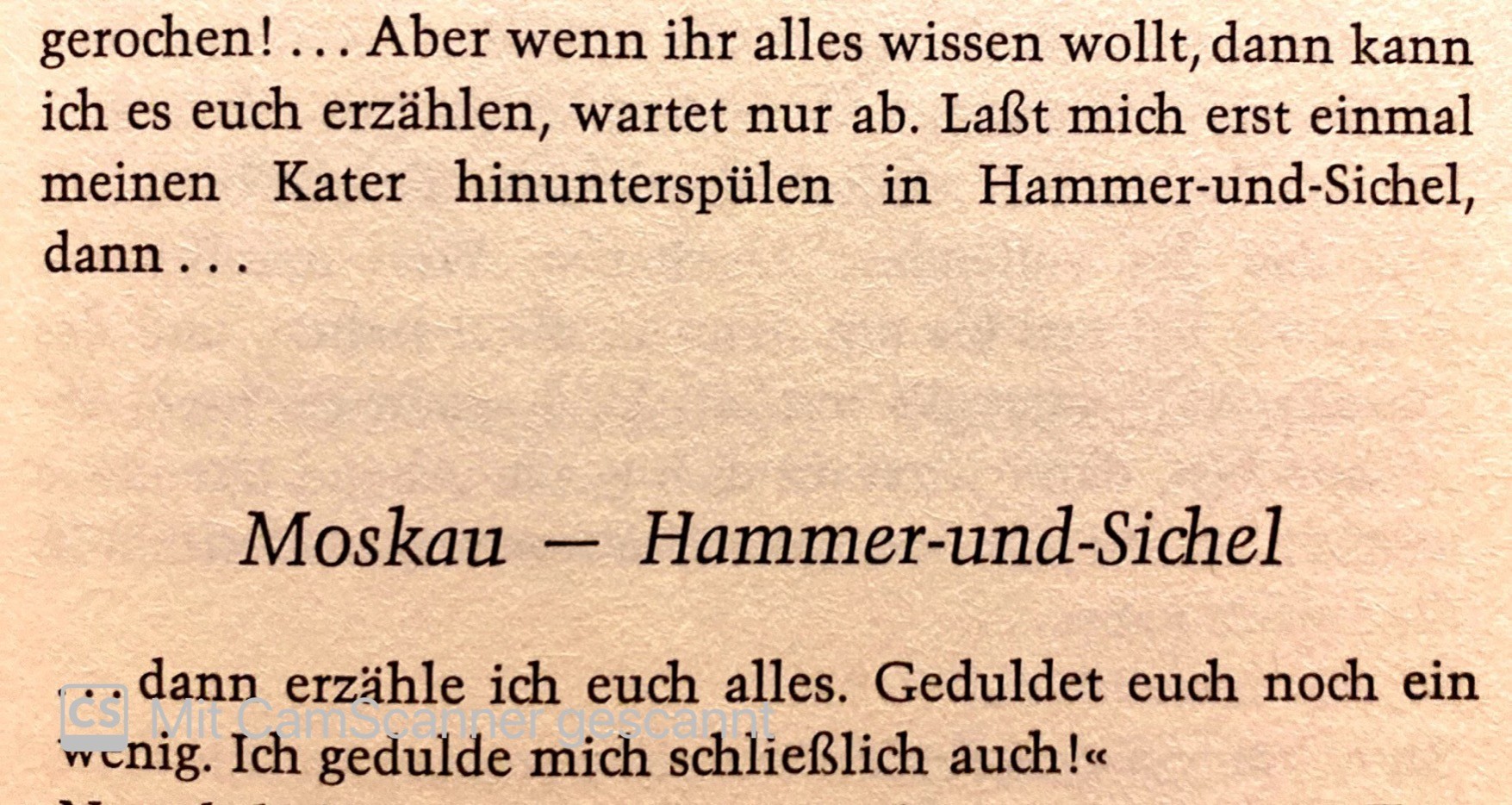
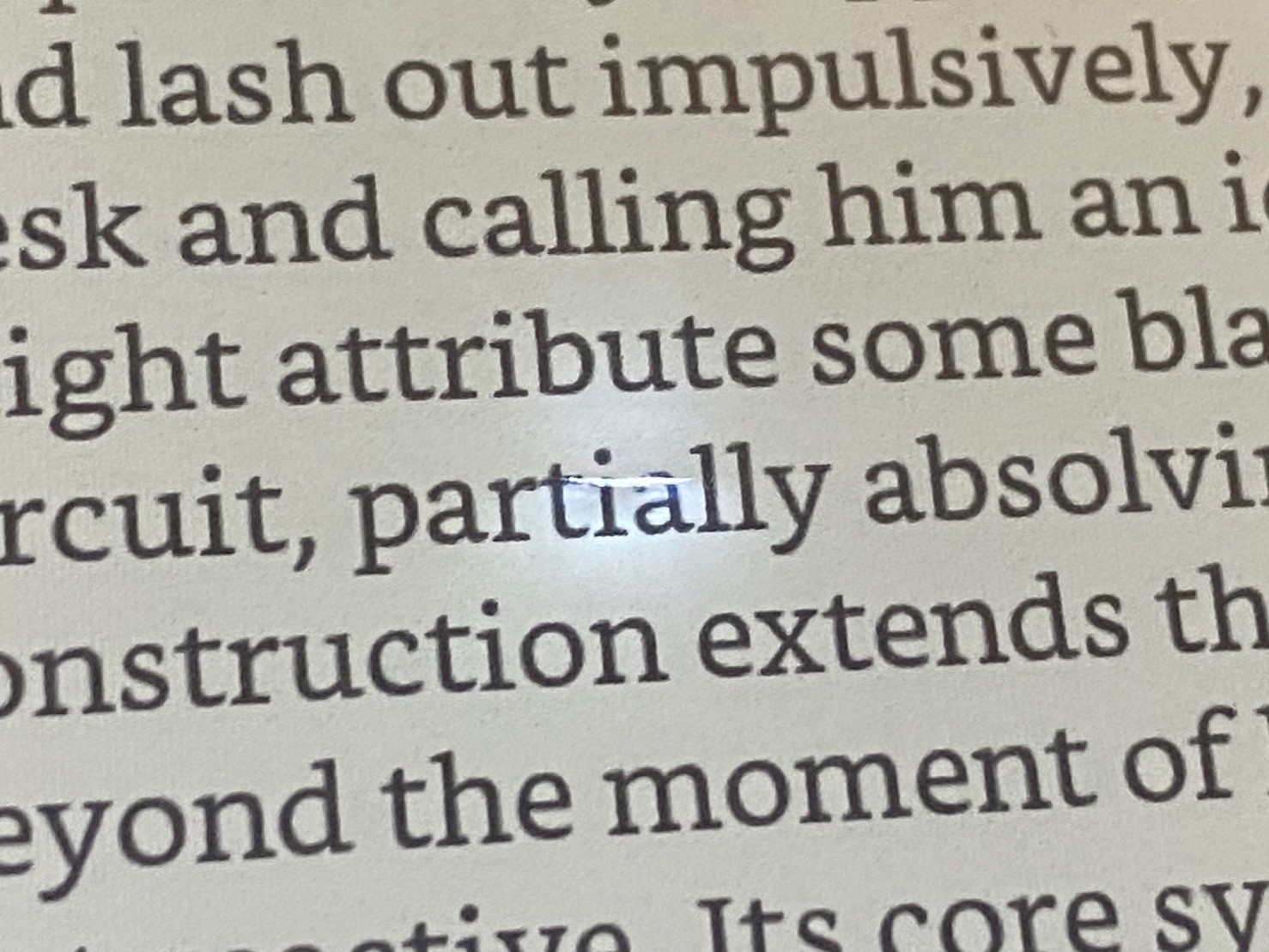
很喜欢图里这一段,Moskau — Hammer-und-Sichel 是章节名,因为主角在路上,每个章节名都是地名。这里主角正在自说自话,说等到下一站再告诉你们,而到站的时候章节名就刚好卡在了一句话中间。这句也很好:Geduldet euch noch ein wenig. Ich gedulde mich schließlich auch!
#МоскваПетушки
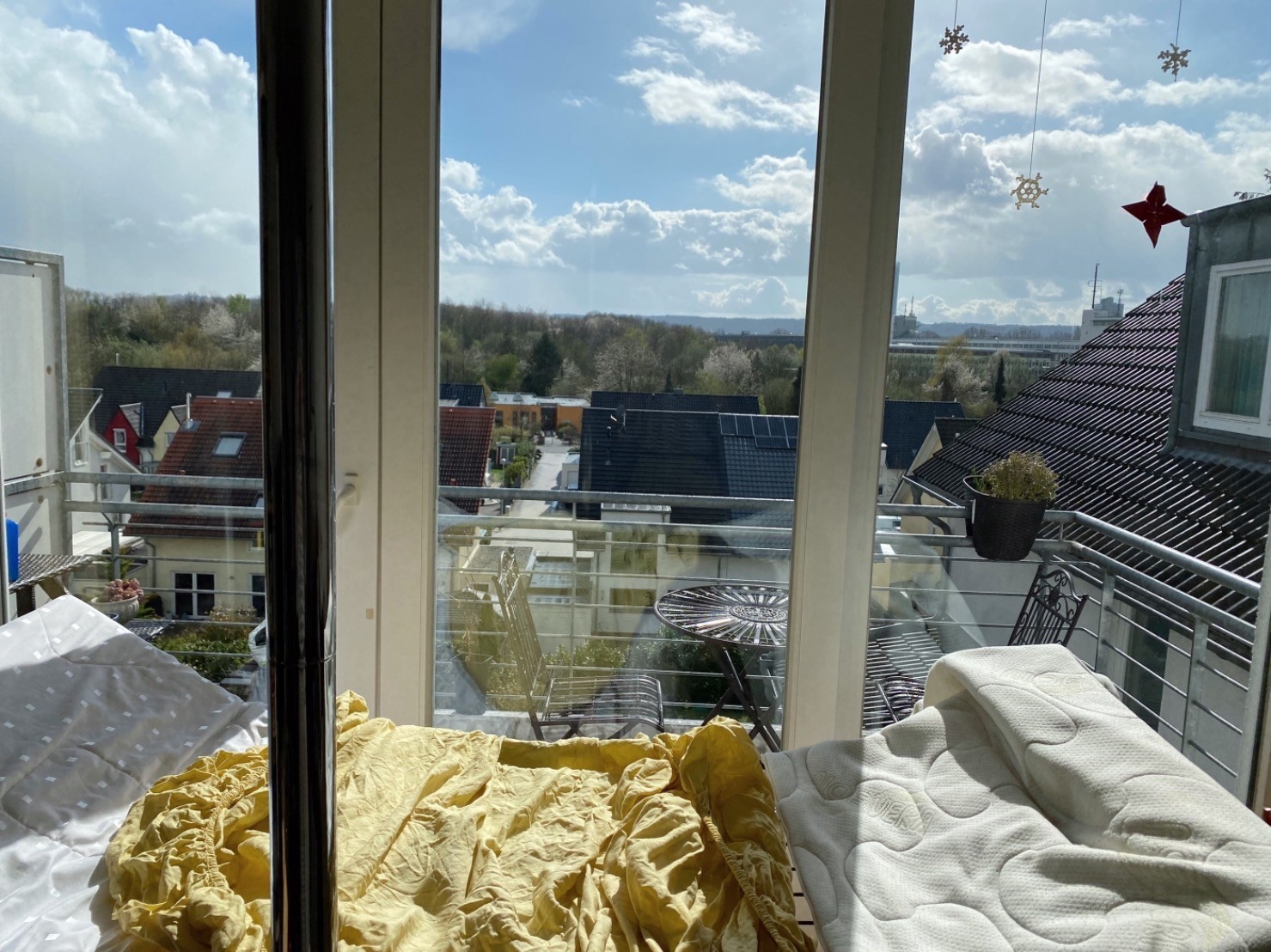
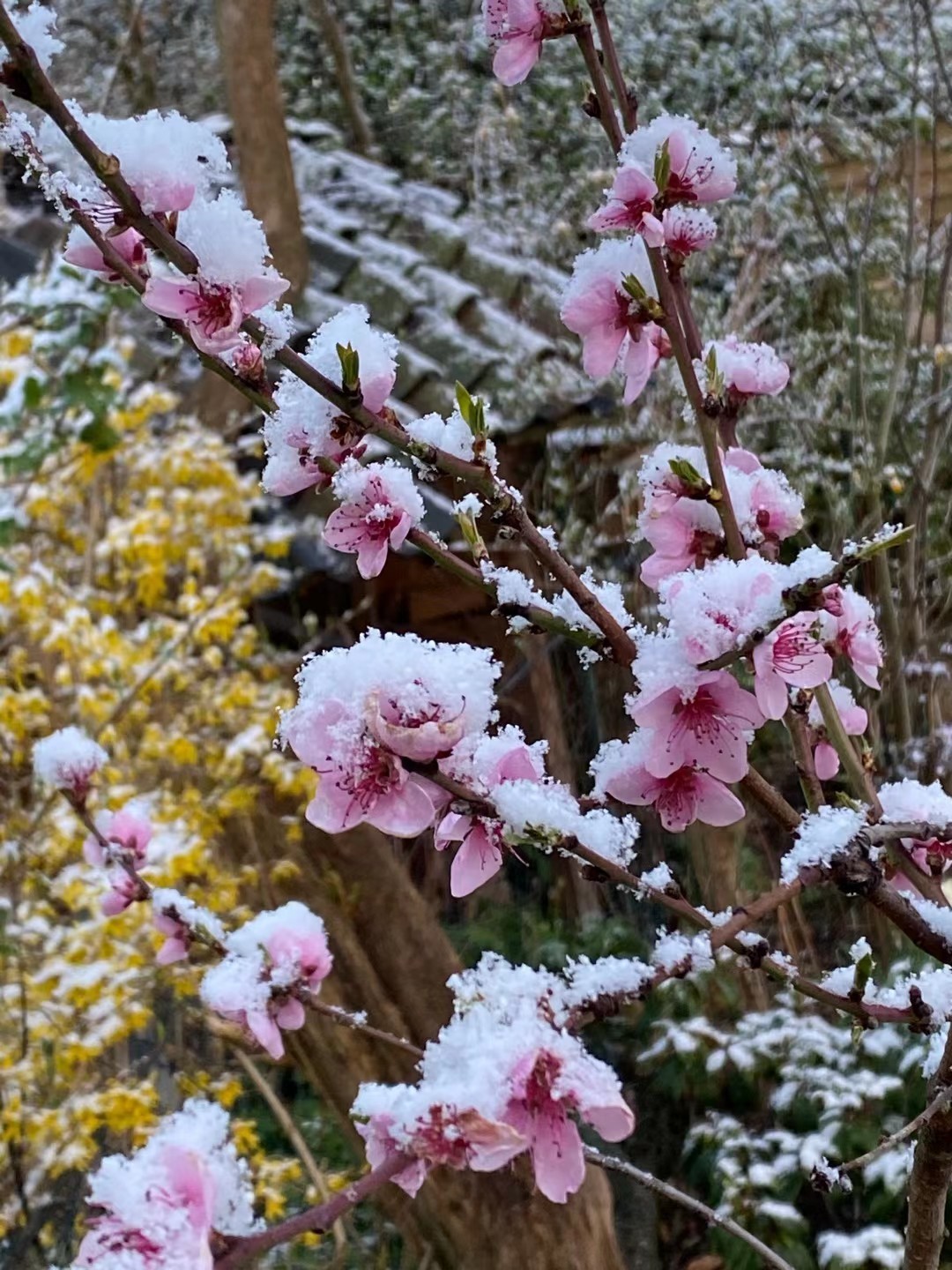
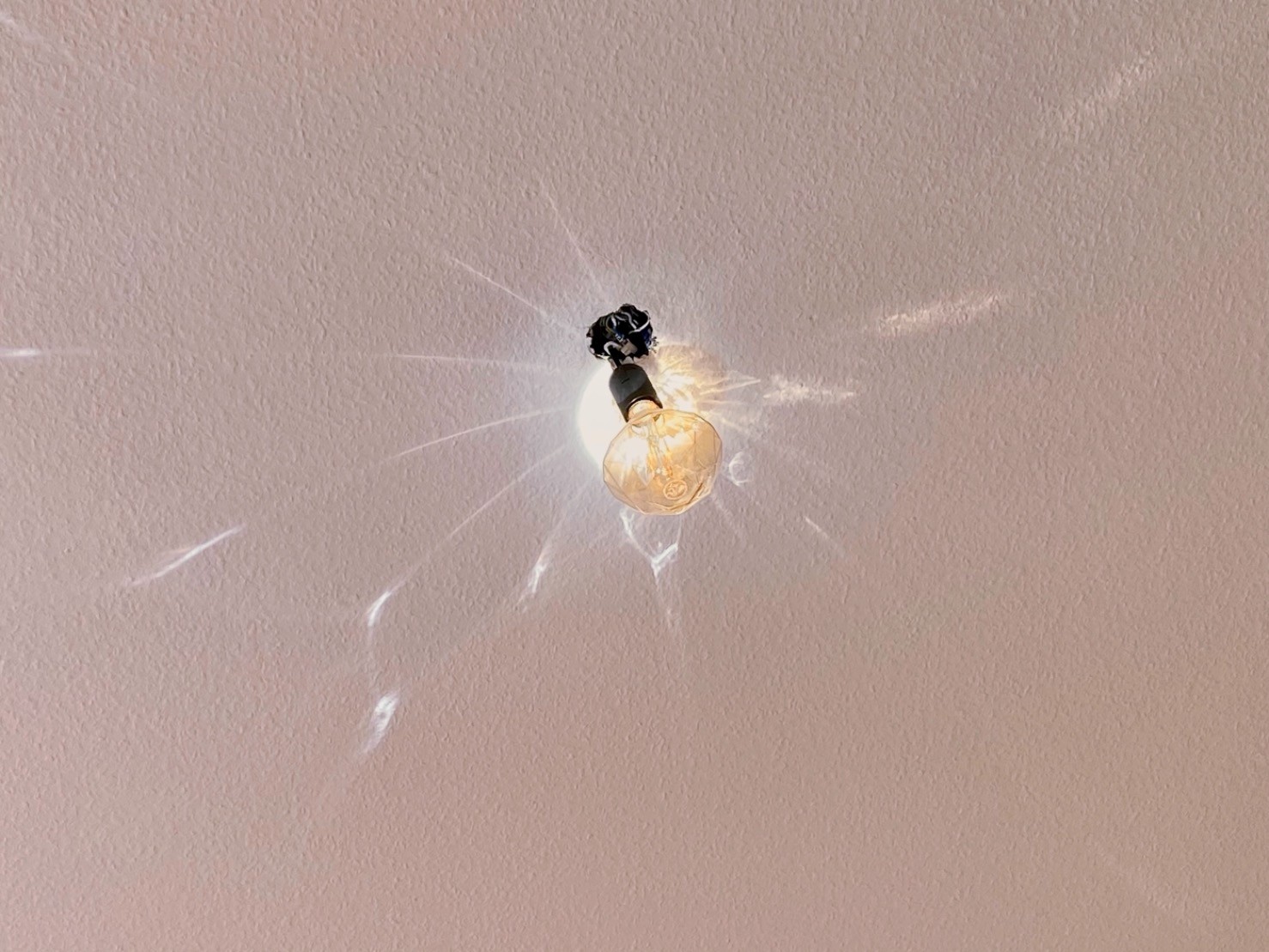
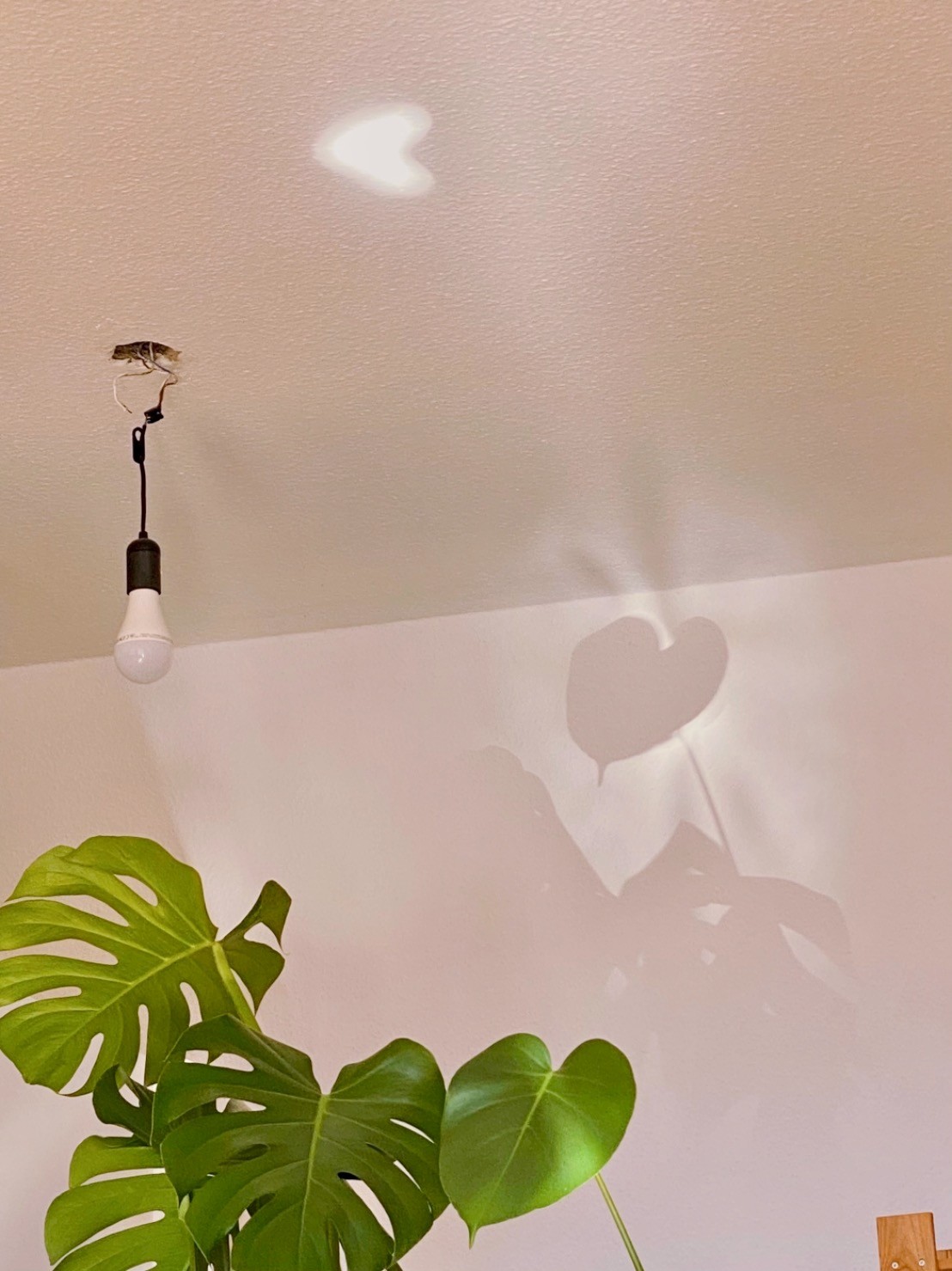
左边和右边的天气在同一天甚至一刻钟之内出现是可以相信的吗…今天的天气一直在狂风暴雪和万里晴空中间反复横跳,起码五个来回,还在狂砸冰雹的时候我去上了个厕所,上完的时候已经大太阳了,冰雹化没了…
左图是我今天洗了被子晒,洗完两个小时就晒干了。
右图是从中超老板娘那里偷的,侵删 


因为不想出门也不想花时间煮珍珠,我买了这款自己泡的珍珠奶茶,然后,非常失望…味道跟香飘飘一样,珍珠也毫无嚼劲。
为什么同样是木薯淀粉,芋圆只需要煮五分钟,珍珠却要煮一个小时啊 
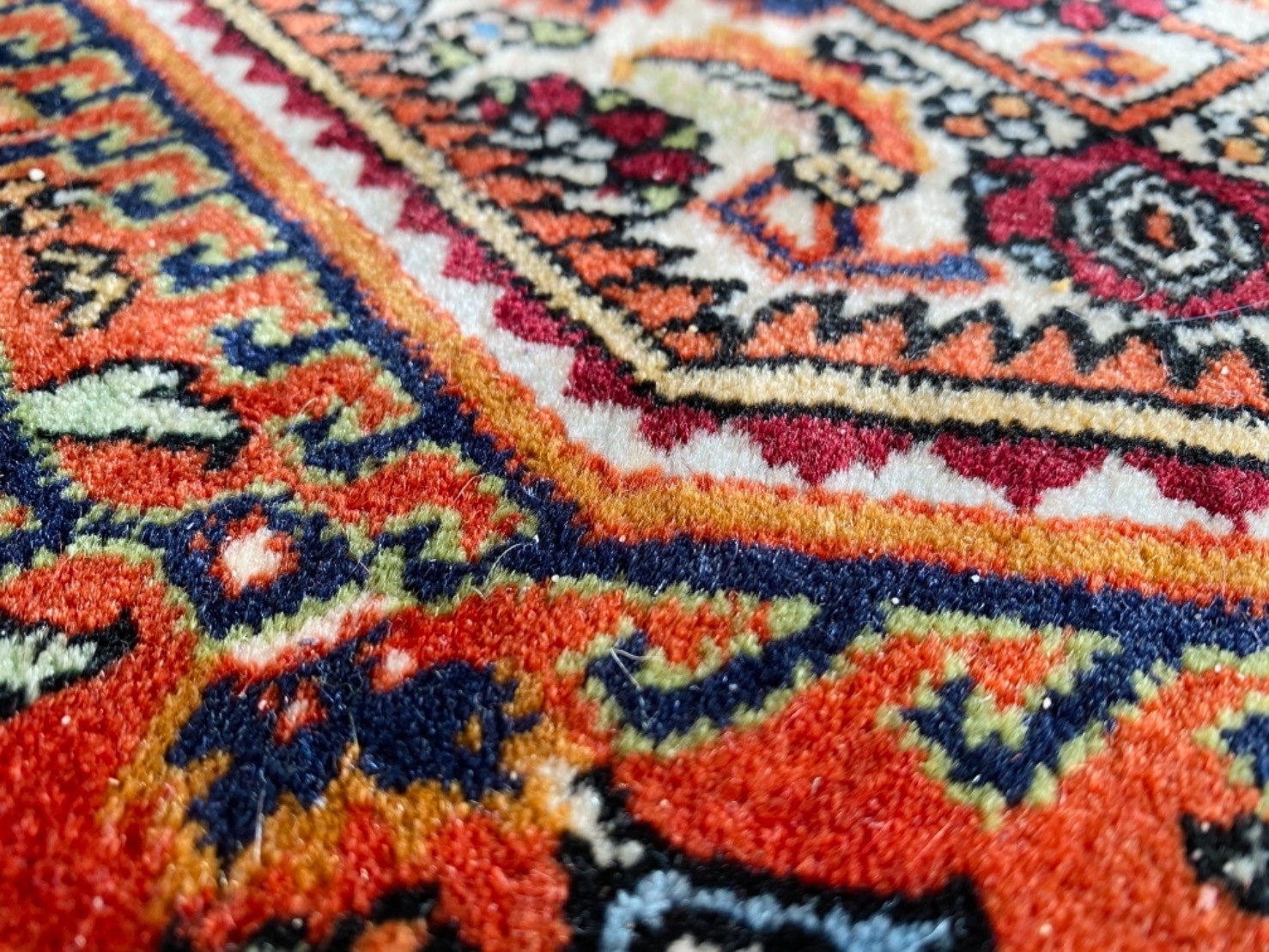
买地毯的时候老板说这个地毯打结密度大,灰尘掉不进去,很好清洁,我还将信将疑。现在在地毯上趴得多了感觉是这么回事,灰尘都浮在表面。前两天把芋泥奶茶洒在了地毯上没注意,今天看到已经在表面结块了,用指甲扣掉之后就干干净净了 
是伊朗的 Bidjar 地毯
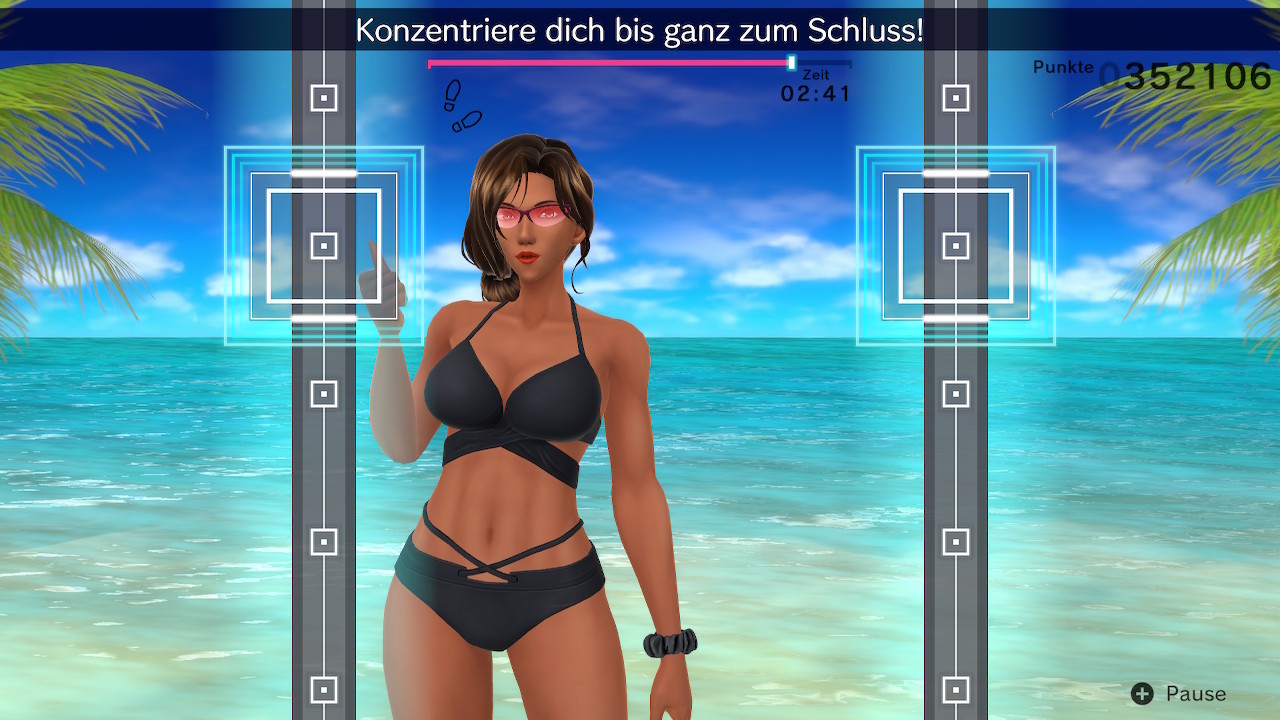
因为还是比较想练肌肉,所以最近有在 keep 上订训练计划,但是真的好无聊啊,动作很没劲,而且节奏很慢,总是走神,只想快点结束,所以根本坚持不下去 
于是我又回归了有氧拳击的怀抱…还是打拳比较爽!虽然是打 Schattenboxen 但是想多用力就多用力,音乐和节奏都很带感,还有劳拉大姐姐的鼓励,半个小时一下子就过去了,打完之后心情好多了 
我一直觉得我小腿有点弯,不好看。
我也和朋友吐槽过日漫里奇妙的罗圈腿审美。
但是照照镜子感觉我就是那种腿型?
看来只要改变审美就能拥有美丽的腿,我再也不嘲笑日漫里的罗圈腿了。
 照片看不太清楚,但是那个地方开背光的时候特别亮
前天我让室友买点肉回来,我心里想的就是那种炒菜用的嘛,什么猪后颈肉,五花肉,牛腿肉,鸡腿什么的。
然后他给我买了一块…牛排。
今天我又让他去买肉,还给他举了好多例子表明我说的肉是什么样的,让他照着随便买。
然后他买了两块肉…就够吃一天的量。

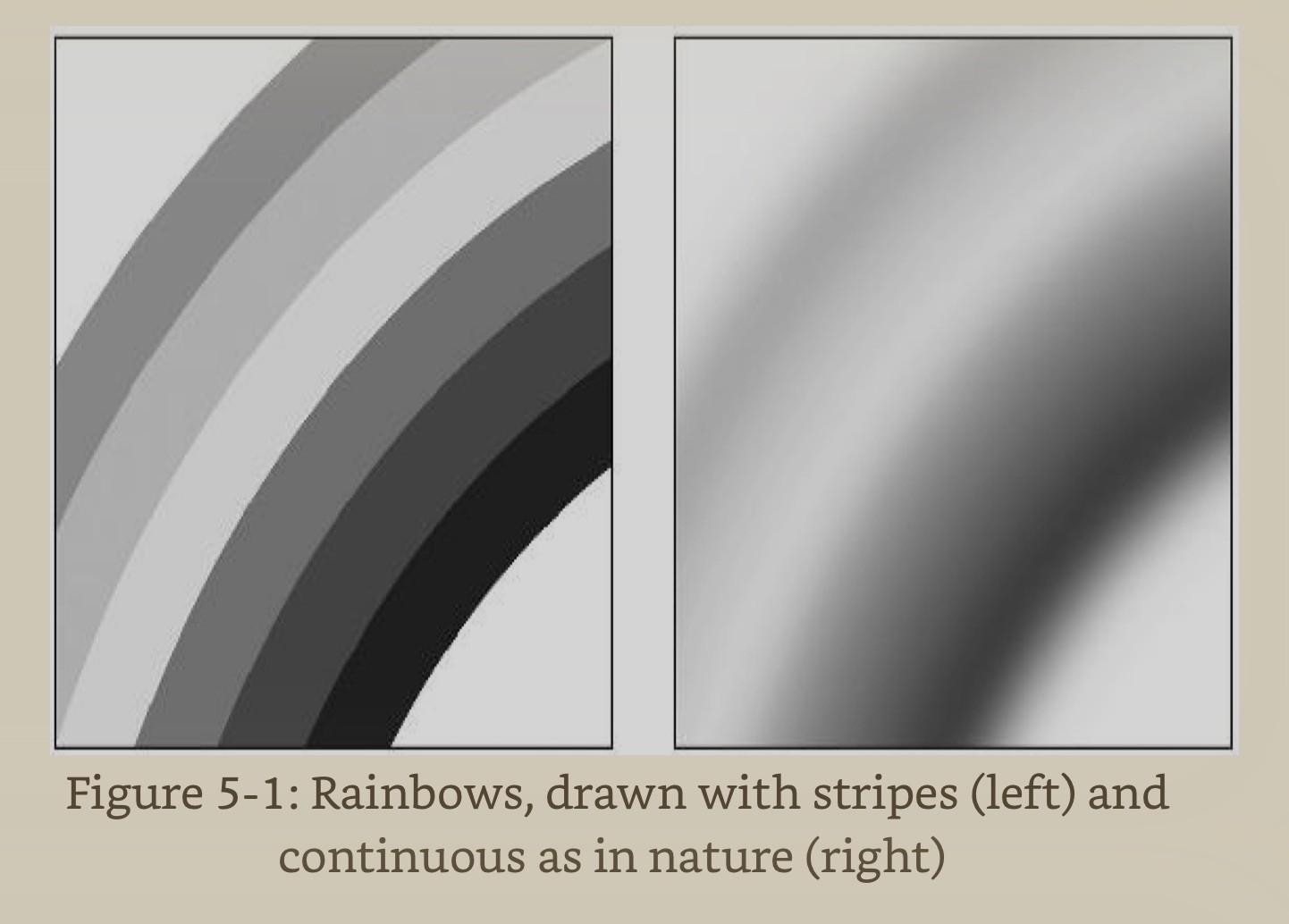
When you look at a rainbow, you see discrete stripes of color, roughly like the drawing on the left side of figure 5-1. But in nature, a rainbow has no stripes—it’s a continuous spectrum of light, with wavelengths that range from approximately 400 to 750 nanometers. This spectrum has no borders or bands of any kind.
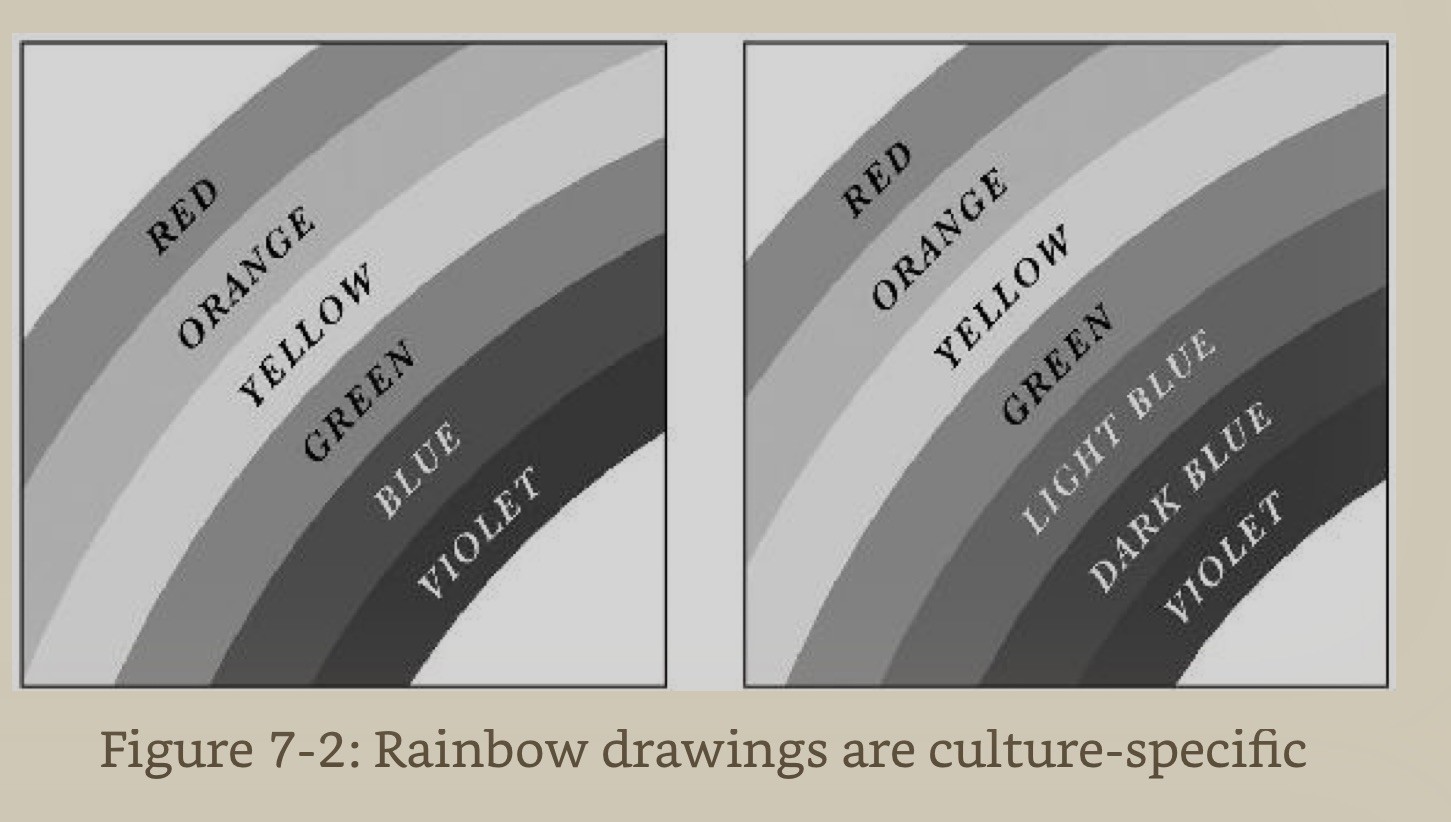
Why do you and I see stripes? Because we have mental concepts for colors like “Red,”“Orange,” and “Yellow.” Your brain automatically uses these concepts to group together the wavelengths in certain ranges of the spectrum, categorizing them as the same color. Your brain downplays the variations within each color category and magnifies the differences between the categories, causing you to perceive bands of color.If you visit the Russian Google (images.google.ru) and search for the Russian word for rainbow, радуга, you’ll see that Russian drawings contain seven colors, not six: the Western blue stripe has been subdivided into light blue and dark blue, as in figure 7-2.
These pictures demonstrate that concepts of color are influenced by culture. In Russian culture, the colors синий (blue) and Голубой (sky blue to a Westerner) are different categories, as distinct as blue and green are to an American. This distinction is not due to inborn, structural differences in the visual system of Russians versus Americans, but to culture-specific, learned concepts of color. People raised in Russia are simply taught that light and dark blue are distinct colors with different names. These color concepts become wired into their brains, and so they perceive seven stripes.
#HowEmotionsAreMade
所以不同文化的人并不是用不同的词来“描述”同一种颜色,而是他们就能“看”到不同的颜色
以及才发现🌈和🏳️🌈只有六种颜色,中文里的彩虹和俄语一样也是七色的。