
“Brett Ford [...] with her colleagues Maya Tamir and Iris Mauss [...] They wanted to know: Does trying consciously to make yourself happier actually work? If you decided—today, now—to dedicate more of your life to deliberately seeking out happiness, would you actually be happier a week from now, or a year from now? The team studied this question in four countries: the United States, Russia (at two different locations), Japan, and Taiwan. They tracked thousands of people, some of whom had decided to deliberately pursue happiness and some of whom hadn’t.
When they compared the results, they found something they had not expected. If you deliberately try to become happy, you will not become happier—if you live in the United States. But if you live in Russia, Japan, or Taiwan, you will become happier. Why, they next wanted to know, would that be?
Social scientists have known for a long time that—to put it crudely—there is a significant difference between how we think of ourselves in Western societies and how people in most of Asia conceive of themselves.
[...]
in the West, we mostly have an individualistic way of looking at life. In Asia, they mostly have a collective way of looking at life.
[...]
If you decide to pursue happiness in the United States or Britain, you pursue it for yourself—because you think that’s how it works. You do what I did most of the time: you get stuff for yourself, you rack up achievement for yourself, you build up your own ego. But if you consciously pursue happiness in Russia or Japan or China, you do something quite different. You try to make things better for your group—for the people around you. That’s what you think happiness means, so it seems obvious to you. These are fundamentally conflicting visions of what it means to become happier. And it turns out—for all the reasons I described earlier—that our Western version of happiness doesn’t actually work—whereas the collectivist vision of happiness does.
[...]
In fact, this search for individual solutions is part of what got us into this problem in the first place. We have become imprisoned inside our own egos, walled off where true connection cannot reach us. I started to think of one of the most banal, obvious clichés we have: Be you. Be yourself. We say it to one another all the time. We share memes about it. We say it to encourage people when they are lost, or down. Even our shampoo bottles tell us—because you’re worth it.
But what I was being taught is—if you want to stop being depressed, don’t be you. Don’t be yourself. Don’t fixate on how you’re worth it. It’s thinking about you, you, you that’s helped to make you feel so lousy. Don’t be you. Be us. Be we. Be part of the group. Make the group worth it. The real path to happiness, they were telling me, comes from dismantling our ego walls—from letting yourself flow into other people’s stories and letting their stories flow into yours; from pooling your identity, from realizing that you were never you—alone, heroic, sad—all along.
No, don’t be you. Be connected with everyone around you. Be part of the whole. Don’t strive to be the guy addressing the crowd. Strive to be the crowd.
So part of overcoming our depression and anxiety—the first step, and one of the most crucial—is coming together.”
#LostConnections #读书
其实我去当义工也是我努力想变快乐的一步,想要去帮助别人,认识更多的人。和我一起工作的同事仿佛知道每一个借阅者的名字,热情地和他们打招呼聊天,连我这个初来乍到的人的借阅号都记得清清楚楚,好像真的这里就是一个大家庭。我觉得这个方法会有用的。
不过还不知道我下一次什么时候排班诶 
因为还是比较想练肌肉,所以最近有在 keep 上订训练计划,但是真的好无聊啊,动作很没劲,而且节奏很慢,总是走神,只想快点结束,所以根本坚持不下去 
于是我又回归了有氧拳击的怀抱…还是打拳比较爽!虽然是打 Schattenboxen 但是想多用力就多用力,音乐和节奏都很带感,还有劳拉大姐姐的鼓励,半个小时一下子就过去了,打完之后心情好多了 
总是觉得我需要更多休息,也总是觉得我需 要多工作一些 
我觉得应该是我效率的问题,高三或者大学考试季的时候我还是觉得蛮充实的,从睁眼到闭眼都在学习,几乎不会觉得累,弄清楚知识点的时候也很有成就感。那个时候一个小时对我来说很长,可以做一整套试卷呢,现在的一个小时就好像什么也干不成。
但是这个效率问题也不知道有多少是我能掌控的,可能给我的工作性质也有关,比如很多时候在做一些琐碎的没有成就感的事,另外的时候又在做非常困难的事,很少有那种恰恰好符合我能力的事,所以虽然项目本身我喜欢,但是做起来并不愉快。
而且好像也没有人需要我的工作 
⬇️今天今天,我好像在写小学生日记
(本来也是流水账,我热爱写流水账)
今天去买奶茶了,奶茶小哥跟我说这个是热的不要放进包里。但是后来我手上拿不下了,而且走了段路感觉已经是温的了,就掉以轻心放进了包里,回到家发现奶茶封口果然压破了,漏了一书包 
啊啊啊封口的热奶茶不要放进包里!
今天室友帮我远程 debug,虽然最后没有直接解决问题,但是学到了一些 debug 思路和 pair coding 工具,所以最后我就说,“你真是帮了大忙。”室友回复,“是吗,谢谢。”
又来到了客气的互相道谢环节,明明怎么想都应该是我说谢谢呢 
pair coding 工具说的是 tmate! 在 terminal 里就能用,对方可以用 ssh 连。哇我现在真的是太喜欢这种能传文本就绝不传图片的思路了,竟然是从 tmux fork 来的。
我一直觉得我小腿有点弯,不好看。
我也和朋友吐槽过日漫里奇妙的罗圈腿审美。
但是照照镜子感觉我就是那种腿型?
看来只要改变审美就能拥有美丽的腿,我再也不嘲笑日漫里的罗圈腿了。
其实我也不老,也一直待在学校,但是想到我上大学那一年已经差不多是九年前了就还是很吃鲸  没感觉我这九年做了很多事情…
开学了我才意识到我首页竟有如此多的大学生
我在记账 app 里给自己设的每日额度应该是我的极限了,使用 app 至今常有负账,从未通过省钱清零,每次都是意外之财填平的,比如出差报销,比如圣诞钱,比如退税
(算上意外之财的话攒钱好像还攒得挺顺利的!)
我鳗鱼  也是一只自由泳的小鸟
boosted
也是一只自由泳的小鸟
boosted
也是一只自由泳的小鸟
boosted
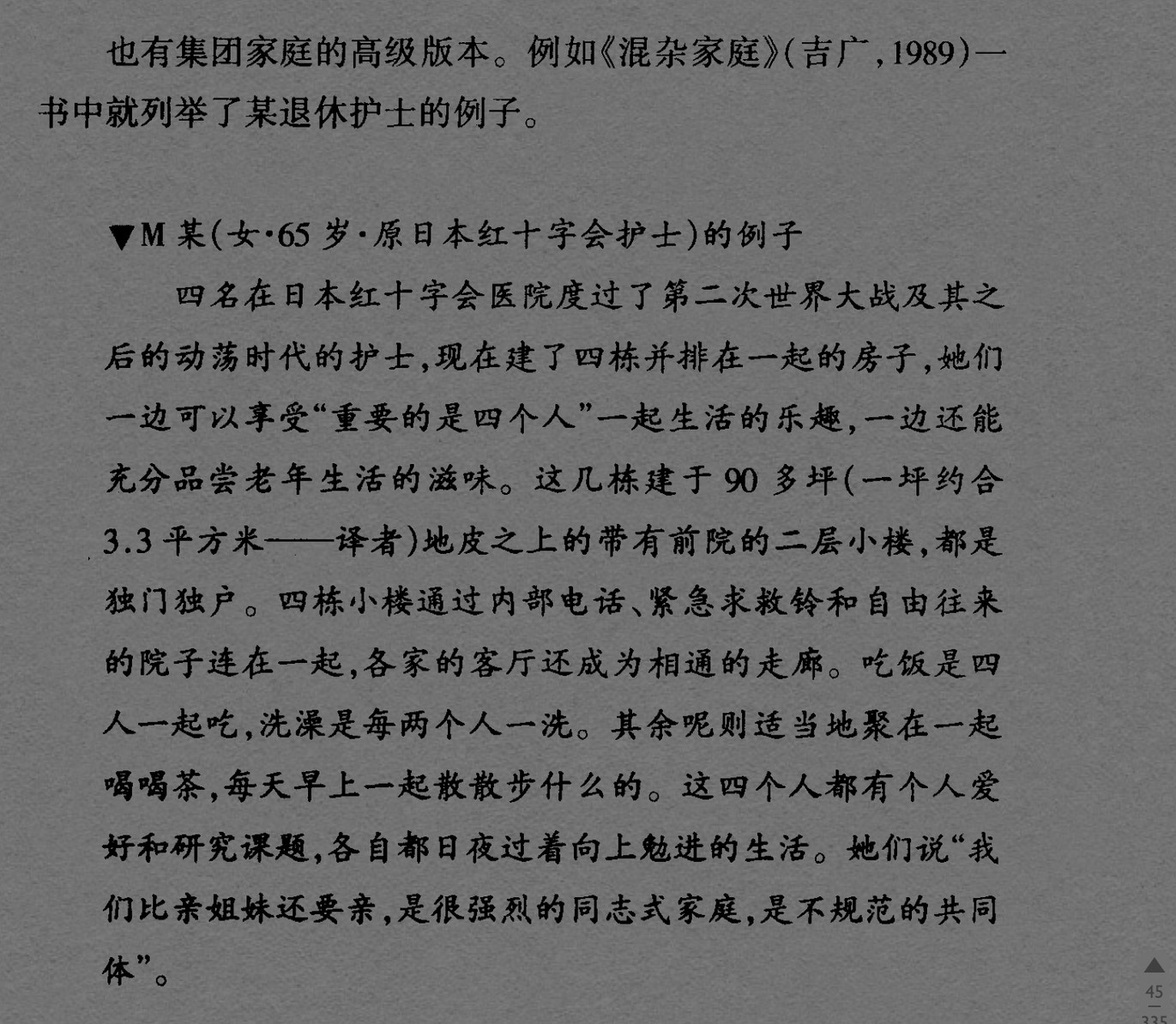
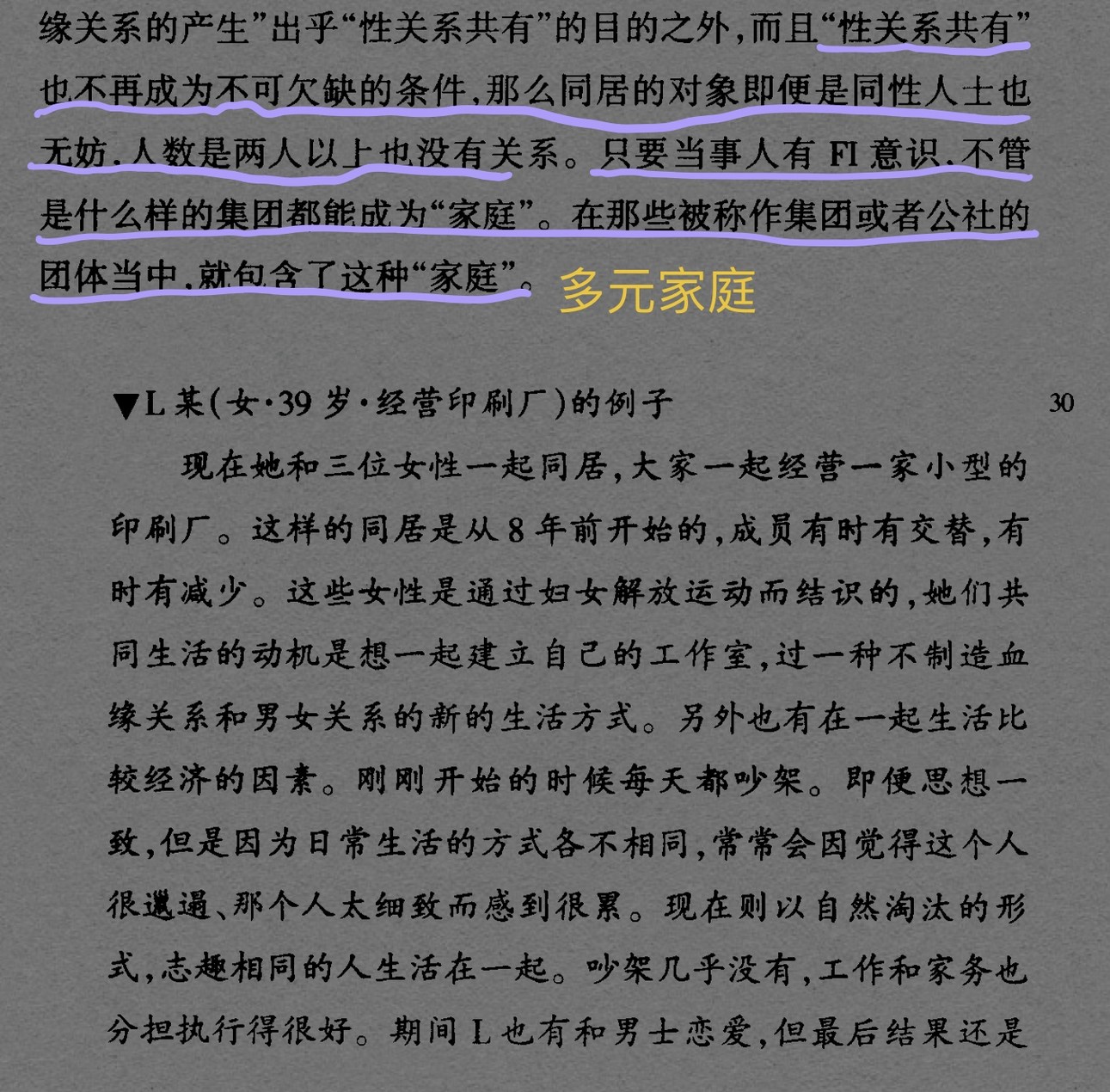
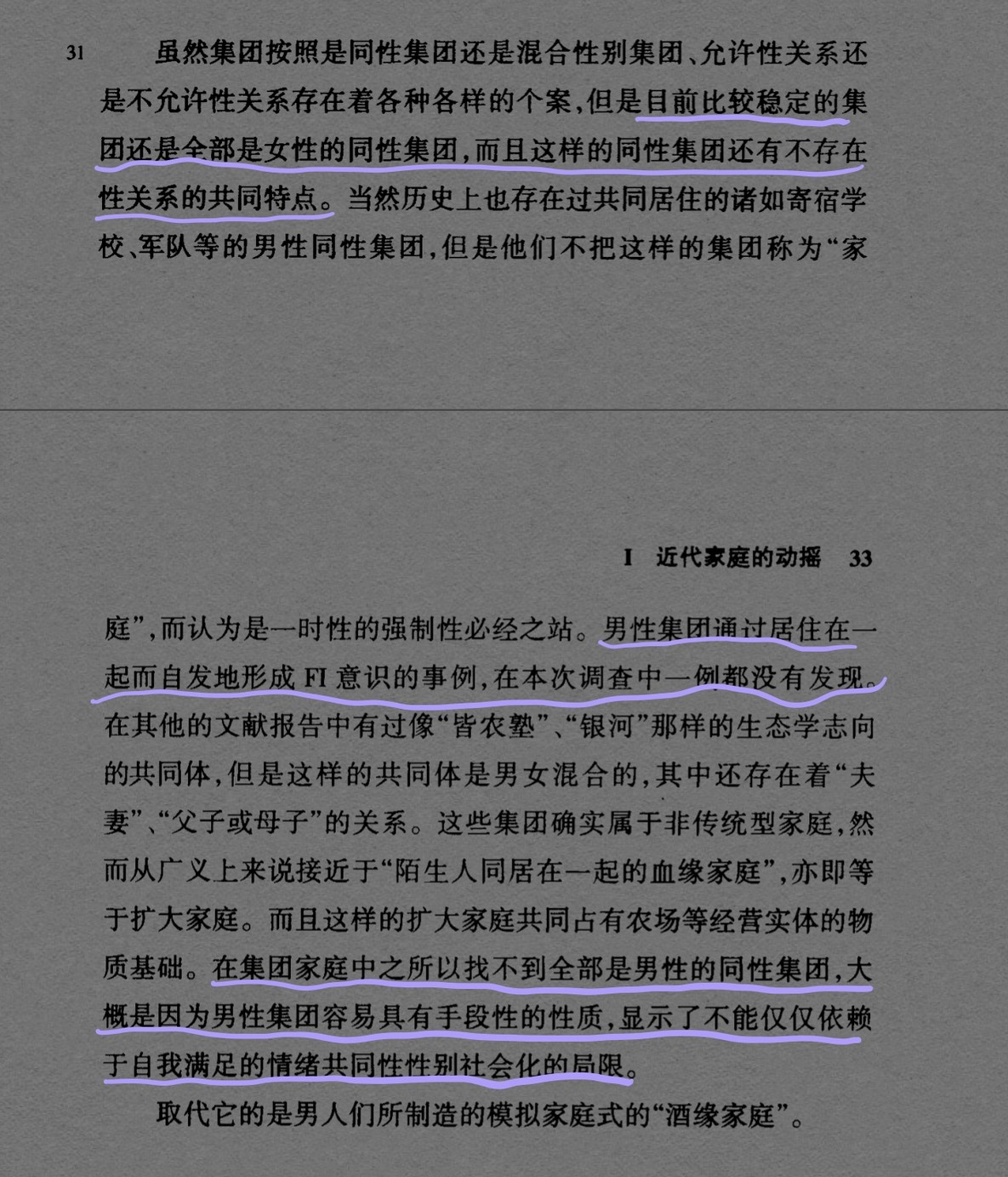
关于多元家庭
想说就算不搞女同也可以跟女性结伴过日子的 大家思路大可放宽一点
出处是上野千鹤子老师的《近代家庭的形成和终结》
我鳗鱼 也是一只自由泳的小鸟
boosted
也是一只自由泳的小鸟
boosted
 扣扣扣你知道八九学运吗
 但我也很烦有的人总是默认女性就不会不喜欢套,或者完全无视结扎的成本。对我来说戴套v.s.短效v.s.结扎我肯定选短效。戴套不舒服,结扎不管是做还是恢复都很麻烦(比吃短效麻烦),只有短效是随便哪个药方都买得到,想吃就开始吃,精虫上脑来一发内射都不用担心,想要孩子了说停也马上就能停。
短效明明是个好东西,而且完全是女方自己掌控的,为啥就非要说得像迫不得已才吃一样。
为何总是有几十个 apps 要更新…为何总是有几百个 packages 要更新…
我鳗鱼 也是一只自由泳的小鸟
boosted
也是一只自由泳的小鸟
boosted

刚刚回家发现爹妈在看一期令人震惊的今日说法。讲一位神奇大哥,中学肄业,七年没回家,再回家已是三进宫之身。闯荡期间先后伪造了浙江大学毕业证,清华大学毕业证,注册会计证等证书,在公司干八个月干成财务总监,月薪三万,做了一两个上亿的项目,还帮公司打赢了几场官司,老板表示这个年轻人就是我司的未来!然后该司的未来在春节假期卷款逃走,放假加上疫情,公司上下过了快二十天才知道钱没了,所有人不知道他人是谁,工位和出租屋打扫得干干净净一个指纹都没留下——出租屋还是费劲波折找到的,大哥称自己是富二代,住在离公司很远的别墅区。其实出租屋离公司地铁只有三站路,但大哥每天早上起床先坐十八公里的车前往别墅区,以便搭乘公司领导的顺风车,被目击身在麦当劳就说自己早起晨跑——最后还是大领导想起之前他给自己修过转椅,警方扒着气阀辛辛苦苦找到一个珍贵指纹。对比系统得知大哥已不是初犯。神奇大哥这次卷走公司一千九百万元,找了十几个大学生给自己提现,由于金额巨大不便携带,分别换成了港币美元欧元——追回时虽然自己花了一些,也给大学生们一人十万,但是由于汇率波动,最后还净赚几十万。警方问你是怎么掌握专业知识的,大哥说,就看书嘛,学注会,看网课,学学法,听一些专家讲座之类的。现在正在蹲第三次的大哥在局子里最爱做的事情还是看书学习。
我鳗鱼 也是一只自由泳的小鸟
boosted
也是一只自由泳的小鸟
boosted


有关于亲密关系的问题想听听嘟友们的看法:
和男友谈恋爱以来我们一直有一个共识:对另一方不满的情绪如果日积月累下来不解决,必定会对我们的关系造成很大影响(主要是我,因为我有时很记仇;他是心很大的类型)
然而最近意识到有些情绪是不能被解决的,因为制造情绪的问题不是通过沟通就能解决的那种,而是两个人在一些事上的观点不同所以无法达成一致,作为两个成年人我们又不太能说服对方改变建立已久的观点。
虽然好在都不是关于人生大事(比如对生育的看法),是比较小的事,但我自己还是就很容易被这种情绪影响,晚上就会到睡不着觉,比如现在。所以想问问:
大家会有这样的经历和感觉吗?有的话是怎么处理的呢?
欢迎评论,救救第一次处于亲密关系中(并且很长期)的孩子 orz
小姑娘欢快地跑着步,突然摔了一跤,然后直愣愣地坐在了地上。
她爸伸出手:需要帮忙吗?
小姑娘:不要!(继续坐着发呆)
我伸出手:要不要站起来?
小姑娘:要!(两只手都塞给我)
但是还有个事,之前她爸给她换尿布的时候她总是特别抗拒,又哭又闹,到处乱跑,根本不会好好躺着。有一次我就说要不要我来,她马上说好,然后特别乖特别听话地躺着,第二次我来换的时候她甚至高兴地躺下并主动解开裤子拽下旧尿布…这跟小姑娘的性别意识有关吗  才三岁,说不的时候也说不出为什么。
一些疑问,含有男性性器官
为什么上网查关于阴茎长度的详尽统计数据一大把,有平均数有分布图甚至还有分国别的统计,但是直径/周长我找了半天也只勉勉强强找到一个平均数?而且男人们在担心自己阴茎大不大的时候都是在关心自己长不长?明明体感上直径比长度重要得多得多得多啊,为什么会这样?果然男人们关心长度仅仅是为了自我欣赏/和他人对比,至于性伴侣爽不爽根本不重要的吗?
本来我要去市中心买奶茶的,结果没有到市中心的车,我就坐火车去科隆买了,在回程的火车上因为 Personen im Gleis 已经困了半个小时了。
这杯奶茶真贵。
很久之前看到路边有刻 FFF 字样,我还很疑惑,怎么 FFF 团的势力扩展到这里来了。现在想来应该是 Fridays for future.
今天突然没有到市中心的车,听说是有什么游行,室友问了一句是什么游行,我本来想查一下的,突然发现了一个事情,于是告诉室友今天是星期五,他恍然大悟。
没错又是 Fridays for future.