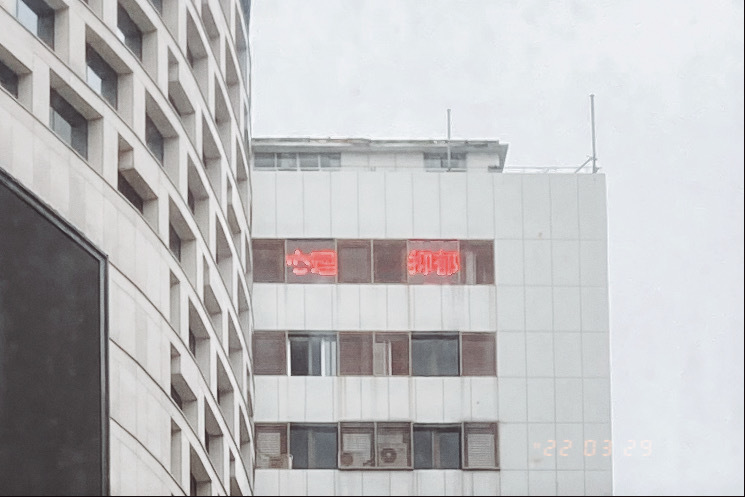

奇怪  太平间通道,严禁停车
@[email protected]
太平间通道,严禁停车
@[email protected]


 发现木瓜皮好像也能吃,所以不削皮就这么啃了,还……不错
@ak_Consfanze_aK 确实!但我还是不太敢讲🙉我太怕误会和纷争因为根本讲不过别人(
金狮是阿莫多瓦啊啊啊啊啊啊啊啊
啊啊啊激动啊啊啊啊啊啊太棒了啊啊啊啊啊啊!!
很难,在床上扭动卷曲了一早上醒醒睡睡到底为何如此“疲惫”
此“疲惫”到底是不是真的疲惫??
还是昨晚做梦太多?
但关键问题上这旁不太想做饭,朕头昏!朕起不来!
奇怪 太平间通道,严禁停车
boosted
太平间通道,严禁停车
boosted

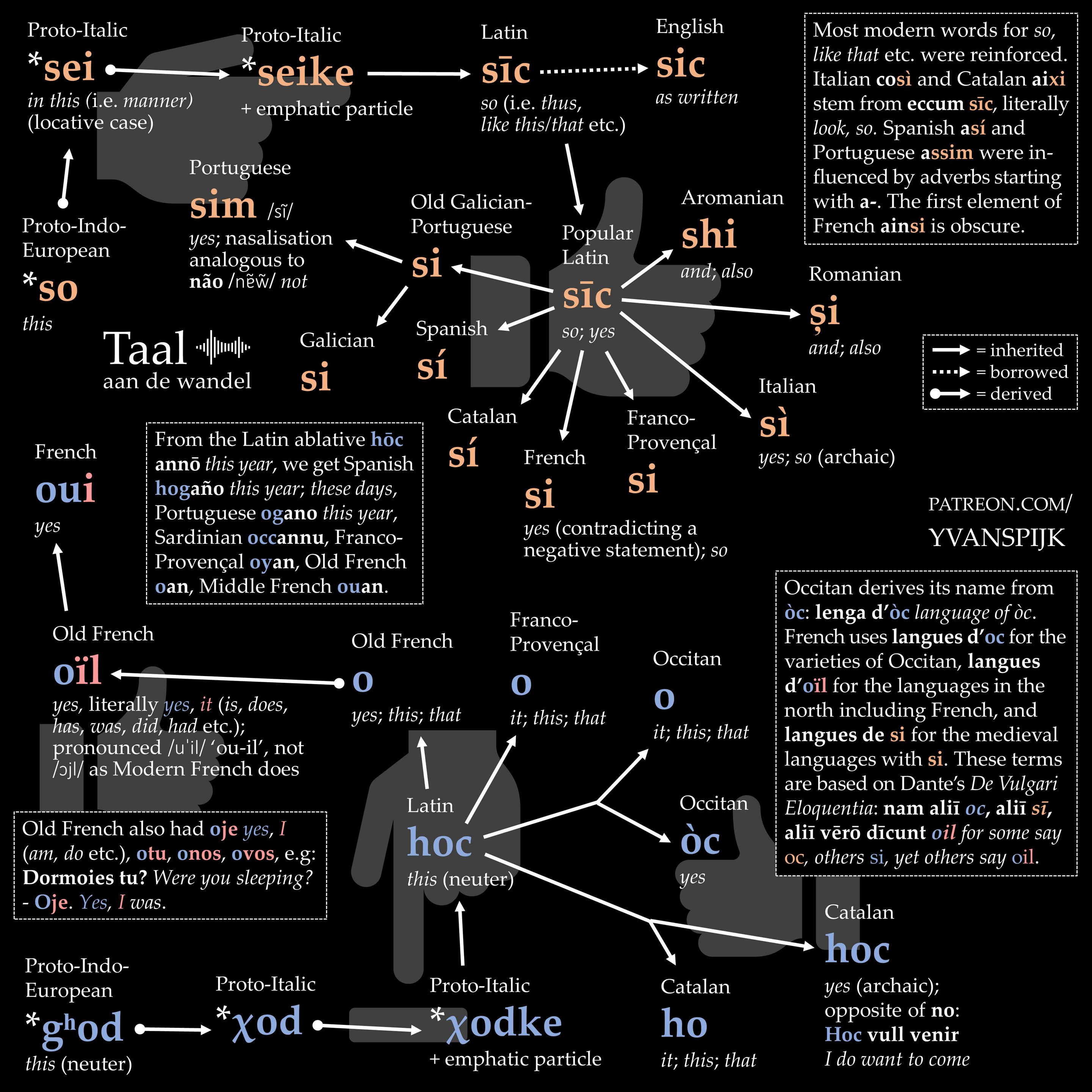
Italian 'sì', Spanish 'sí' and many more Romance words for "yes" come from Latin 'sīc', which meant "so; thus; like that". In Popular Latin it got an extra meaning: "yes", born out of the sense "like that", i.e. "like you said".
French 'oui' has a completely different origin. It comes from Old French 'oïl', a univerbation of 'o il', literally "yes, it (is/does/has etc.)".
'O' stemmed from Latin 'hoc' (this), which became 'òc' (yes) in Occitan, whose name was derived from this very word.
@FLUCarrier ?什么叫我居然?????!!!
最近老点赞动物视频,我小红书变成动物世界了现在,今天还看到了水獭毛片!太色了!
@unagi 小称!网络老师是这么告诉我的嘿嘿嘿嘿!好肉麻~所以把“亲吻”变小就是“亲亲”
@unagi 意大利语也有这样的后缀,叫 ino!
@unagi 所以tje是小吗?
下楼买个番茄,警察也一大早的贴单子
梦见有人给我写情书,说一直喜欢我,但是要出国了,希望我去某间餐厅看看,里头有挂她的画
我就去了,画很一般,餐厅老板挺不满意的,说米其林来了看到这个画决定要扣分
……完球😩这不会是平行宇宙的哪个笨蛋我干的事儿吧?!?!?
@FLUCarrier 我会!我帮你写!(
没错,以后在简历上要写:超爱洗碗抹桌子,热爱整理房间和衣柜,有需要的话还能做1!
木瓜太熟了,切了三分一嚼嚼嚼,太熟了,抱吃了,软绵绵的甜甜的,还是硬点的喜欢,带点苦也行嗯!
@threekg 哇,你在偷情了耶!!!!!
@illnessillusion ???打探到了什么!!!!
李康生演警察?!没想到!真想看!!
糟糕了,现在看到陈以文脑子里就会自动播那个旋律