
其实俺投这个期刊只是因为 ddl 差不多刚好在我能完成论文的时候而已,结果发现真的好适合,就我现在参考的这些个 paper 几乎都是 committee 里那帮人写的…我现在就是怕怕
草,读一个五年前的 paper,里面给了代码和数据的网址,我点进网址,里面赫然写着:
Coming soon!
我鳗鱼  也是一只自由泳的小鸟
boosted
也是一只自由泳的小鸟
boosted
也是一只自由泳的小鸟
boosted
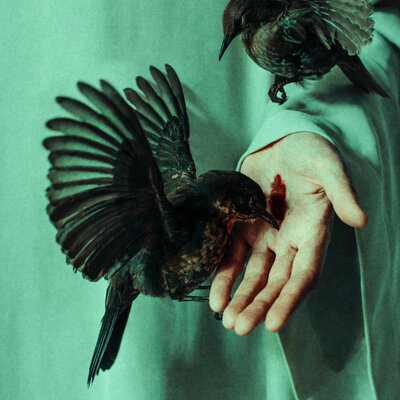
从刚刚解封的深圳回到日本,前几天居家隔离没怎么出门一直在看上海的新闻……今天出门去学校,觉得身边真实的世界显得如此不真实。河岸开满各色野花,母女俩蹲在水边用小树枝钓樱花瓣儿……学校里杨柳依依,图书馆的书架之间因为新冠撤掉的舒服小沙发也都回来了。感觉整个世界……除了中国之外似乎都已经近乎正常了。
发照片的时候有一种愧疚感……但还是想让大家都看看春天。
看了几篇“放开就会医疗崩溃”的分析,观感是我国平时的医疗状况就比别国崩溃之后还要崩溃..
好烦呐,我在测我的程序要跑多久,结果昨天和今天测的时间差好多

@ChuckL 周末为什么还要工作!

我讨厌每天十二点才回家…
沮丧,感觉这几天不修边幅得厉害,虽然穿了贵贵的巴宝莉大衣,但上面都是各种灰还有毛发…
@hentianyue @lait 我在图书馆做志愿工作,这边也是压倒性的女性占多数 (坐标德国)
我鳗鱼 也是一只自由泳的小鸟
boosted
也是一只自由泳的小鸟
boosted
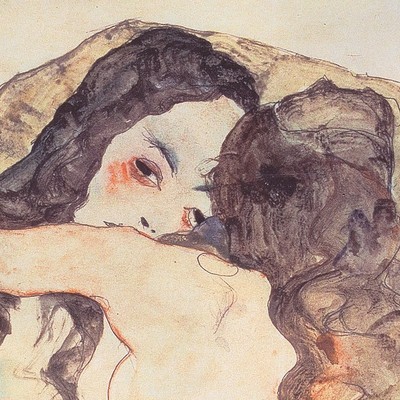
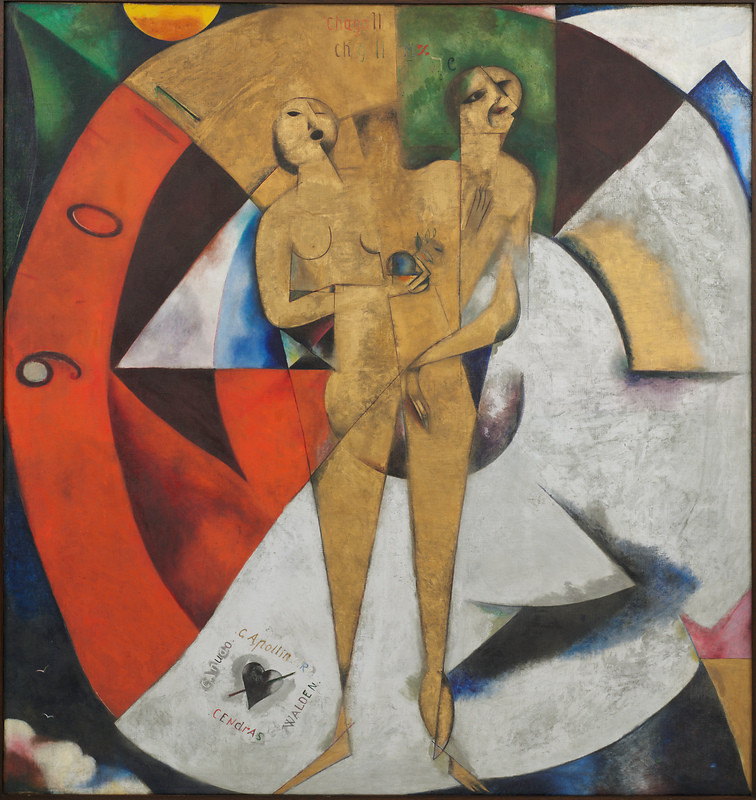
作品名:Homage à Apollinaire
画家: Marc Chagall
创作年份:1911
收藏于:Van Abbemuseum, Eindhoven
#MarcChagall
我鳗鱼 也是一只自由泳的小鸟
boosted
也是一只自由泳的小鸟
boosted

我鳗鱼 也是一只自由泳的小鸟
boosted
也是一只自由泳的小鸟
boosted

Cutting off fundamental, curiosity-driven science is like eating the seed corn. We may have a little more to eat next winter, but what will we plant so we and our children will have enough to get through the winters to come?
不得不讲本书作者真的是对后代非常有责任心的…我真的就是做着好玩,没想过能有什么用,不过看来只要我自己觉得好玩就够了,有没有用是后人的事
Maxwell wasn’t thinking of radio, radar and television when he first scratched out the fundamental equations of electromagnet-ism; Newton wasn’t dreaming of space flight or communications satellites when he first understood the motion of the Moon; Roentgen wasn’t contemplating medical diagnosis when he investigated a penetrating radiation so mysterious he called it ‘X-rays’; Curie wasn’t thinking of cancer therapy when she painstakingly extracted minute amounts of radium from tons of pitchblende; Fleming wasn’t planning on saving the lives of millions with antibiotics when he noticed a circle free of bacteria around a growth of mould; Watson and Crick weren’t imagining the cure of genetic diseases when they puzzled over the X-ray diffractometry of DNA; Rowland and Molina weren’t planning to implicate CFCs in ozone depletion when they began studying the role of halogens in stratospheric photochemistry.
Basic research is where scientists are free to pursue their curiosity and interrogate Nature, not with any short-term practical end in view, but to seek knowledge for its own sake. Scientists of course have a vested interest in basic research. It’s what they like to do, in many cases why they became scientists in the first place. But it is in society’s interest to support such research. This is how the major discoveries that benefit humanity are largely made.