 也是一只自由泳的小鸟
@
也是一只自由泳的小鸟
@
我确实感觉到以前我是一个可以独自一人迎难而上的人,现在越来越弱小越来越不敢面对问题了。今天为了找一个文件翻到了以前的证书,里面各种成绩单,奖学金,荣誉证书,语言证书,留学派遣书,看到的时候竟然有一种“昔日荣光”感 

我真的觉得重启默认打开之前的窗口这点很奇怪…重启不就是为了甩掉这些东西一身轻松吗…?
我的 linux 本来之前不是这样的,某次更新之后也这样了…
今天因为软件更新需要重启电脑,实在给我添堵,重启之前打开的窗口一个个跳出来又是让登录又是让更改的,不停打断我的操作,我就大声抱怨。
室友:软件们都想要你的 attention 吧。
紧接着跳出一个窗口:attention required
我笑岔气了。
我跟室友太多概念不一样了,今天他做意面用了 Bärlauch, 我跟他说听说 Bärlauch 不能下锅太久(nicht lange),他说他没煮太久,就十分钟吧。
我:…十分钟不久吗?对我来说一分钟算不久吧。
室友:…一分钟对我来说是超级短(ultra kurz)。
我:…超级短对我来说是十秒。
室友:…十秒对我来说不算做菜(das ist nicht Kochen)。
因为之前已经沟通过了对我来说什么算“肉”,所以这次我就放松了警惕,直接告诉他我要肉,没说具体类别,结果他买回来了香肠……
香肠那能算肉吗???啊???
我不是想换耳机嘛,今天在图书馆干活看到一本德国特别权威的评测杂志,今年三月的,封面就是耳机评测,于是兴冲冲地借回家,翻开一看…
妈的排名第一的就是我的耳机 
一直听说每到春天大家就会去采 Bärlauch 做菜吃,所以心生向往。结果后来听说 Bärlauch 就是野大蒜的叶子,感到有点失望。后来又看到菜谱说 Bärlauch 是大家春天用来代替葱的,更加失望了。直到今天在超市买了点 Bärlauch 尝了一下…这完全就是葱嘛,我为什么不直接买葱
今天图书馆来了一个看起来像流浪汉的女的,头发乱糟糟,衣服脏兮兮,口罩都用起球了,然后我很惊讶的是她借的是电影,而且是提前在网上预约了的,也就是说她一个流浪汉装扮的人 somehow 有 access to 电子设备…
虽然也不是没见过用智能手机的流浪汉但还是有点惊讶,而且感叹新冠真的是害人,现在图书馆不能接收读者进来挑选,只能上网预约,如果家里没有电脑或者没有家借书就困难好多…
我还送了她一个口罩 
两次失败之后我终于做成了 Q 弹而不是松松散散的肉丸!超级兴奋地给室友尝,并且介绍了一下秘诀:
关键就在于加盐,盐可以促进肉里的蛋白质析出,形成有粘性的胶体,就把肉结合在一起啦*!这和做面条的时候加一点盐可以让面条更筋道大概是一样的。
室友:你为什么不加一点吉利丁?
我:?
室友:吉利丁就是动物明胶,一般是从猪肉里提取的蛋白,听起来和你说的很像,你下次加一点说不定会更 Q 弹。
我:(?靠他说得好有道理我决定下次试一试)
于是我又回顾了一遍《亲爱的L》  还是上次的进度

我村里刚通网吗,五宝和张辛苑什么时候在一起的 
#HowEmotionsAreMade
关于为什么女性杀人判刑更重:
The legal system has a standard called the reasonable person who represents the norms of society, that is, the social reality within your culture. Defendants are measured against this standard. Consider the legal argument at the heart of the heat-of-passion defense: would a reasonable person have committed the same killing if he’d been similarly provoked without a chance to cool off ?
The standard of the reasonable person, and the social norms behind it, is not merely reflected in the law—it is created by the law. It is a way of saying, “Here is what we expect a human person to act like, and we will punish you if you don’t conform.”
[...]
A legal standard based on emotion stereotypes is especially problematic for the equitable treatment of men and women. The prevailing belief in many cultures is that women are more emotional and empathic, whereas men are more stoic and analytical.
[...]
Take a moment and reflect on your own emotions. Do you tend to feel things intensely or more moderately? When we ask these types of questions in my lab to male and female test subjects—to describe their feelings from memory—the women report feeling more emotion than the men do on average. That is, the women believe they are more emotional than men, and the men agree. The one exception is anger, as subjects believe that men are angrier. However, when the same people record their emotional experiences as they occur in everyday life, there are no sex differences. Some men and women are very emotional, and some are not. Likewise, the female brain is not hardwired for emotion or empathy, and the male brain is not hardwired for stoicism or rationality.
Where do these gender stereotypes come from? In the United States at least, women routinely “express” more emotion when compared to men. For example, women move their facial muscles more when watching films than men do, but women don’t report more intense experiences of emotion while watching. This finding, if nothing else, might explain why the stereotypes of the stoic man and the emotional woman leak into the courtroom and have a significant influence on judges and juries.
Because of these stereotypes, heat-of-passion defenses—and legal proceedings in general—are often applied differently to male versus female defendants. Consider two murder cases that are pretty similar except for the sex of the defendant. In the first case, a man named Robert Elliott was convicted of killing his brother, allegedly because of “extreme emotional disturbance” that included “an overwhelming fear of his brother.” The jury found him guilty of murder but the decision was overturned by the Supreme Court of Connecticut, citing that Elliott’s “intense feelings” about his brother overwhelmed his “self-control” and “reason.” In the second case, a woman named Judy Norman killed her husband after he had systematically beaten and abused her for years. The Supreme Court of North Carolina rejected the defense’s claim that Norman was acting in self-defense out of “a reasonable fear of imminent death or great bodily harm,” and she remained convicted of voluntary manslaughter.
These two cases match several stereotypes about emotion in men versus women. Anger is stereotypically normal for men because they are supposed to be aggressors. Women are supposed to be victims, and good victims shouldn’t become angry; they’re supposed to be afraid. Women are punished for expressing anger.
[...]
In courtrooms, angry women like Ms. Norman lose their liberty. In fact, in domestic violence cases, men who kill get shorter and lighter sentences, and are charged with less serious crimes, than are women who kill their intimate partners. A murderous husband is just acting like a stereotypical husband, but wives who kill are not acting like typical wives, and therefore they are rarely exonerated.
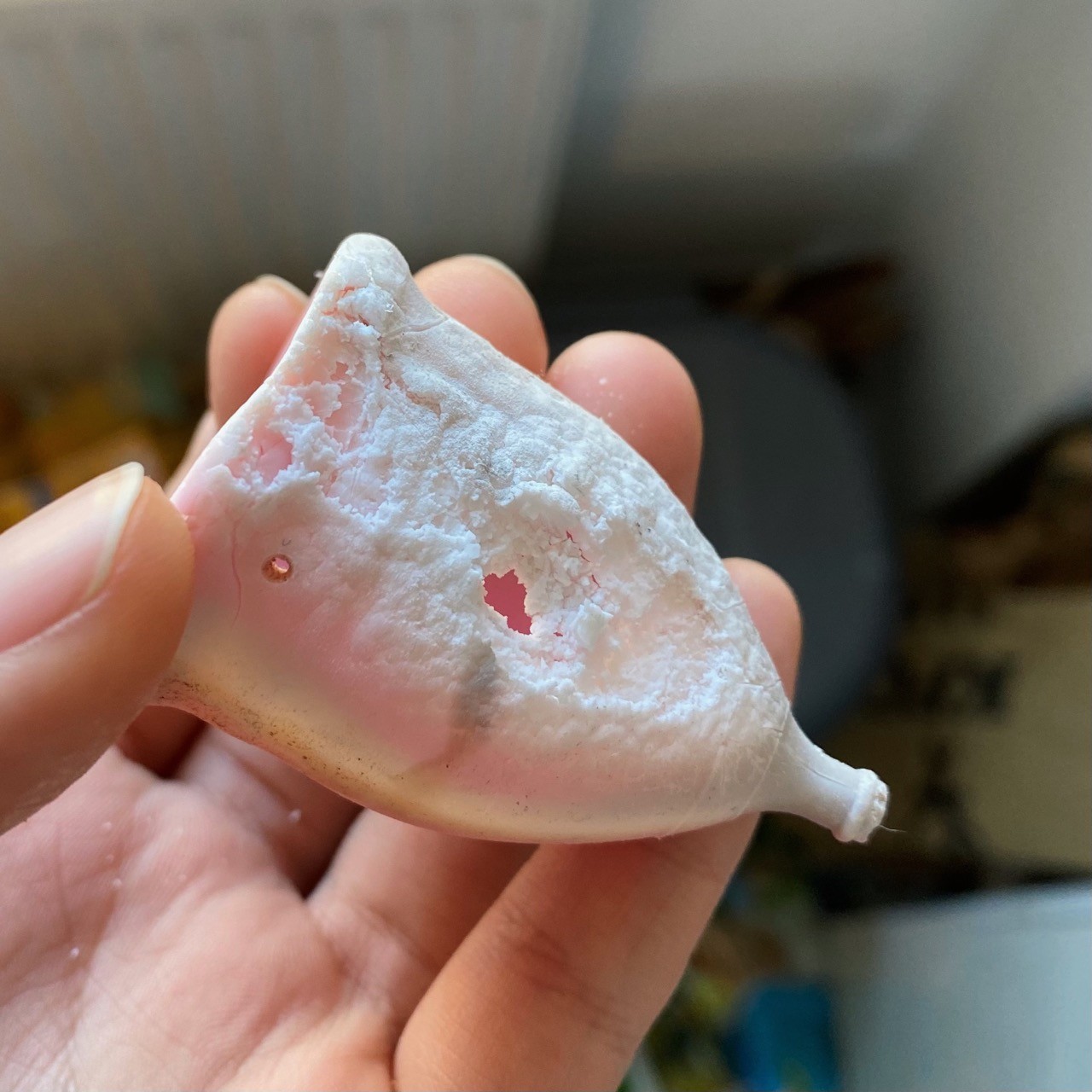
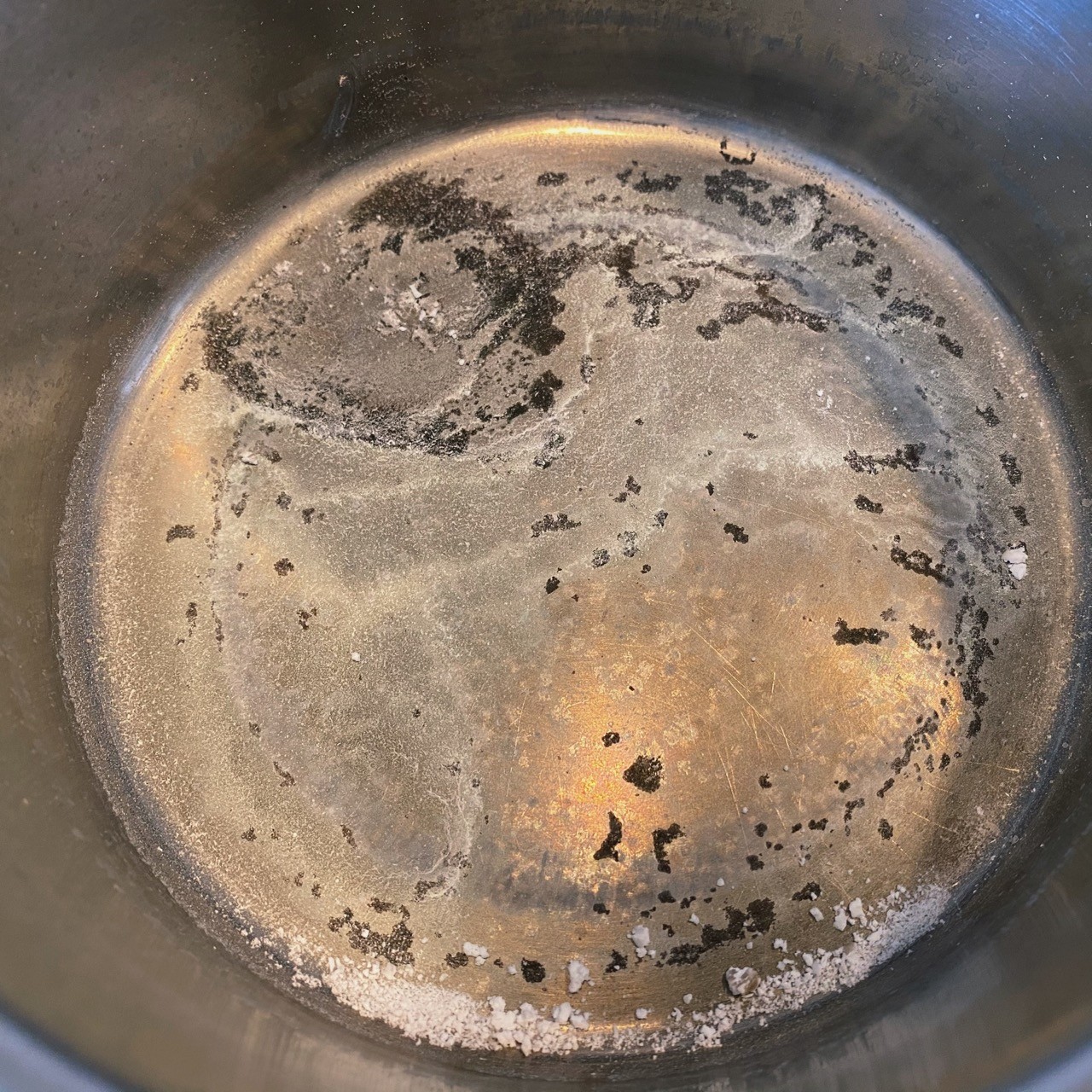
悲报,昨天晚上睡觉前看月经差不多走了,就一边刷牙一边煮月经杯,结果刷完牙之后就把锅忘在灶上去睡觉了,今早起来才想起,月经杯煮穿了,没起火真的是太好了。还是应该买一个专门消毒的配件。
(之前也有一次煮意面,在锅里烧水结果忘了,我正在床上玩耍的时候听到噼里啪啦声,进厨房才看到是盐颗粒在锅里跳跃…)