
和友约了六点在杜塞吃饭,我计划提前一小时过去去商场买我最爱的巧克力,结果我到火车站了才意识到周日商场关门
High taxes will inevitably drive people to hide their work and profits. This makes monitoring their income difficult. Furthermore, the large bureaucracy required to run a comprehensive tax system […] can be prohibitively expensive. […] To avoid becoming a slave of their own tax collectors, autocrats often use indirect taxation instead. With indirect taxes, the cost of the tax is passed on to someone other than the person actually paying it. For instance, sellers pay sales taxes to municipal governments but sellers pass the cost on to buyers, making sales taxes indirect.
我鳗鱼  也是一只自由泳的小鸟
boosted
也是一只自由泳的小鸟
boosted
也是一只自由泳的小鸟
boosted

我还记得 iPhone 刚刚出来,手机触控笔还更常见的时候,我第一次看到朋友的 iPhone 是用手指戳的时候感觉很神奇:手指比键盘大那么多真的不会按错按钮吗?我朋友给我演示了一遍,真的不会按错,我觉得好神奇。
那为什么十多年后的今天我一天到晚在手机键盘上按错字母…
所以勉强能 get 到的 moral 就是 base rate matters…如果有额外信息的话也要考虑 base rate。总感觉作者的例子举得不大好。
昨天买的小小块姜找不到了,怀疑是在柜台上没拿
还是觉得好怪啊,他说做估计的时候要结合人口基数和特征描述(是否符合刻板印象),问题是刻板印象完全是一个 heuristic,不存在“人群中 50% 的人符合这个刻板印象”这样的 knowledge,所以到底能怎么结合?而且结合了之后完全有可能结果还是更偏向于刻板印象指示的,为什么要说做出这样的选择是错误的?除非刻板印象完全不靠谱,但作者并不是这个观点..
you see a person reading The New York Times on the New York subway. Which of the following is a better bet about the reading stranger?
She has a PhD.
She does not have a college degree.
Representativeness would tell you to bet on the PhD, but this is not necessarily wise. You should seriously consider the second alternative, because many more nongraduates than PhDs ride in New York subways.
这书里面好多逻辑都好怪啊,比如他凭什么认为 PhD 会更少地坐地铁?他要是说没有大学文凭的人比 PhD 多那含义还明确一点,虽然如果没有大学文凭的人比 PhD 多的话那在地铁里的比例估计也如此,但他加上“坐地铁”的话就让我搞不清楚他到底是哪个意思…
If you examine Tom W again, you will see that he is a good fit to stereotypes of some small groups of students (computer scientists, …
这本书是不是过时了,CS 现在是大热门诶!不过我很好奇基数大了之后的现在计算机专业的学生在大家眼里还有没有 nerdy 的那种刻板印象…

以前我们还在一个州的时候,经常莫名其妙地在其他城市的火车站台和餐馆偶遇。今天我坐着迟到了十分钟的电车赶到离饭店最近的站,下了车发现马路对面的她也在找方向,原来我们竟坐了一辆车
今天跟小姐妹见面了,我说我这周心情不好,就盼着和她见面了,结果她说她也是,现在见到我才开心一点
分别之前短暂地拥抱了一下就去赶车了,然后火车上我一直都在回味,感觉没有抱够
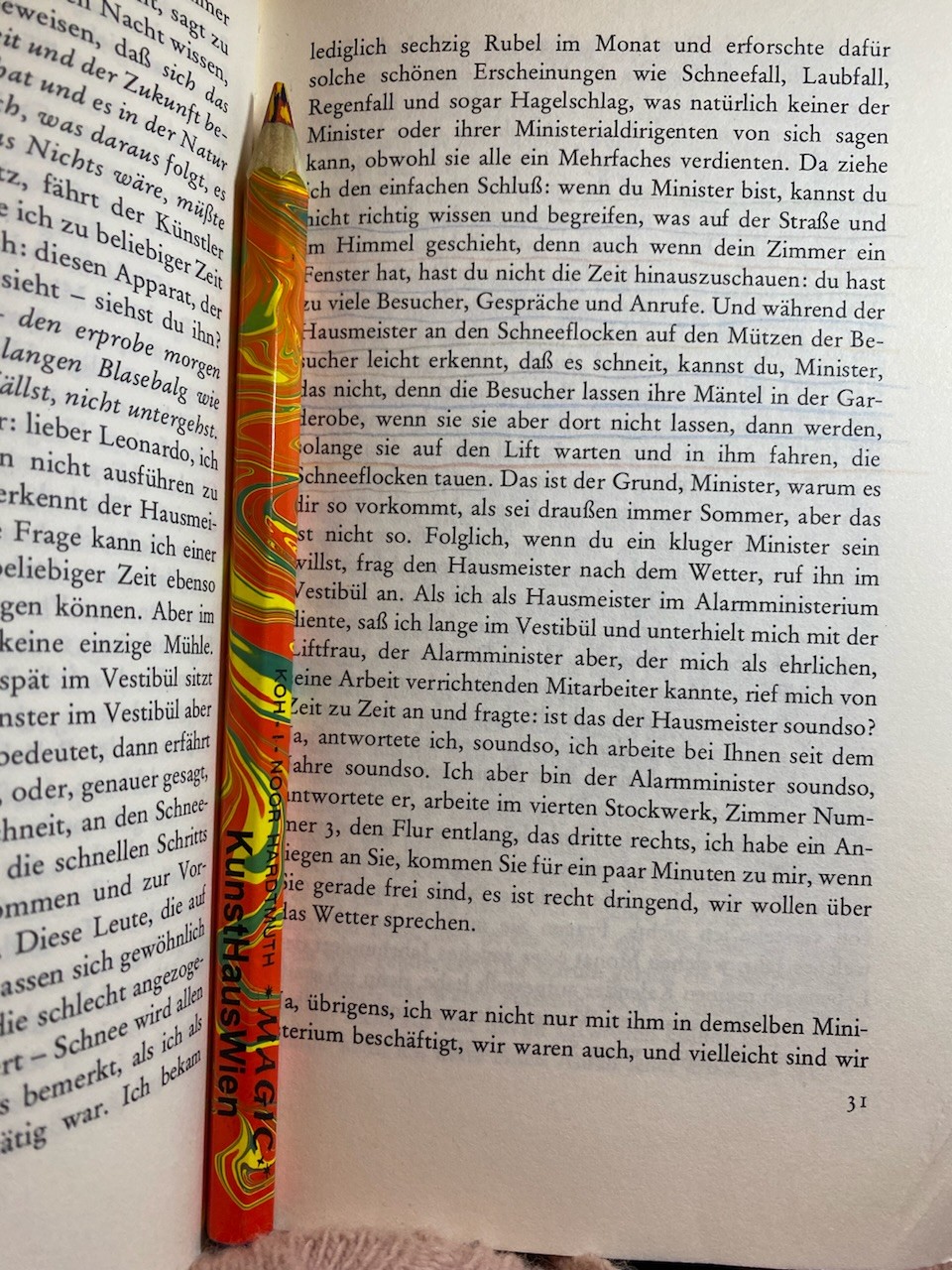
Der Geographielehrer holt Landkarten und zählt Bundesländer und Hauptstädte auf. Er fragt Pekka, was die Hauptstadt seines Heimatlandes sei, und Pekka sagt: »Stuttgart.«
Der Geographielehrer sagt: »Sehr lustig.«
Alle lachen, sogar die Traumatisierten.
Der Geographielehrer fragt mich, was die Hauptstadt meines Heimatlandes sei, und ich sage: »Belgrad und Sarajevo und Berlin.«
这几个地方好好笑 我在火车上笑到变形,对面的人也看着我笑,我就念给他听,然后我们一起笑,他说回去也找这本书看
“Im Emmertsgrund reichten einander die Hand: Bosnier und Türken, Griechen und Italiener, Russlanddeutsche, Polendeutsche, Deutschlands Deutsche. […] Die Supermarktschlange sprach sieben Sprachen. […] Auf dem Parkplatz lernten wir voneinander falsches Deutsch.”
”In einer lauen Sommernacht in meinem zweiten deutschen Jahr habe ich dort mein Herz verloren an ein Mädchen mit rotem Haar, das mir versucht hat beizubringen, das Verb stehe in deutschen Relativsätzen immer am Satzende, was ich schon längst wusste, aber sie erklärte so schön.”
”Von unserem einzigen Holländer, dem Michel, der mal bei einer Polizeikontrolle auf die Frage »Geboren?« mit »Ja« geantwortet hatte.”
我鳗鱼 也是一只自由泳的小鸟
boosted
也是一只自由泳的小鸟
boosted

为什么要禁止未成年人进KTV,禁止成年男的进KTV不更好吗
昨天吃的汉堡叫 Rotkohlchen, 怪可爱的
That girl was born into a prison nation, into darkness, yet she still looked upon her life as a gift, as an opportunity to realise herself in love, to give love, to share her happiness with the world.
[…] And at some point I realised: no, this was not the naivety and folly of a silly young girl who had failed to understand what was going on around her, this was the wisdom of the one who has sent, does send and always shall send girls into this world, no matter what hell we’ve turned it into.
The world around is cold and dark, but into it has been sent a girl so that, candle-like, she might illuminate the all-pervasive human darkness with her need for love.
if you love your Motherland, should you wish her victory or defeat? It’s still not completely clear where the Motherland ends and the regime begins, so entangled have they become.